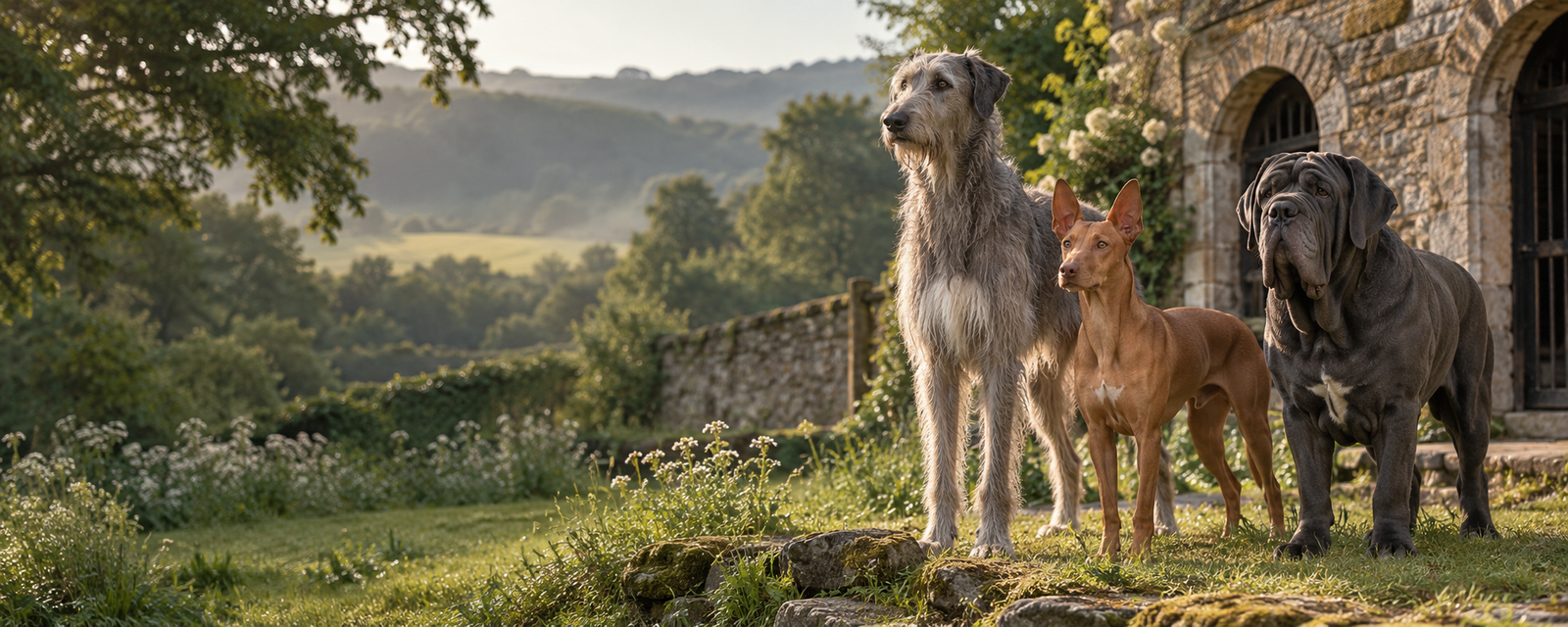
Veterinary and breed-preservation groups are raising concerns about the future of historic dog breeds whose populations have fallen to very low levels. A breed does not disappear overnight: numbers decline when fewer families choose it, fewer puppies are responsibly bred, and the remaining gene pool becomes increasingly small.
The warning is about more than losing a distinctive appearance. Each traditional breed carries generations of working knowledge, behaviour and adaptation. Losing a breed can mean losing part of a community’s agricultural, hunting or cultural history.
Why are historic dog breeds becoming vulnerable?
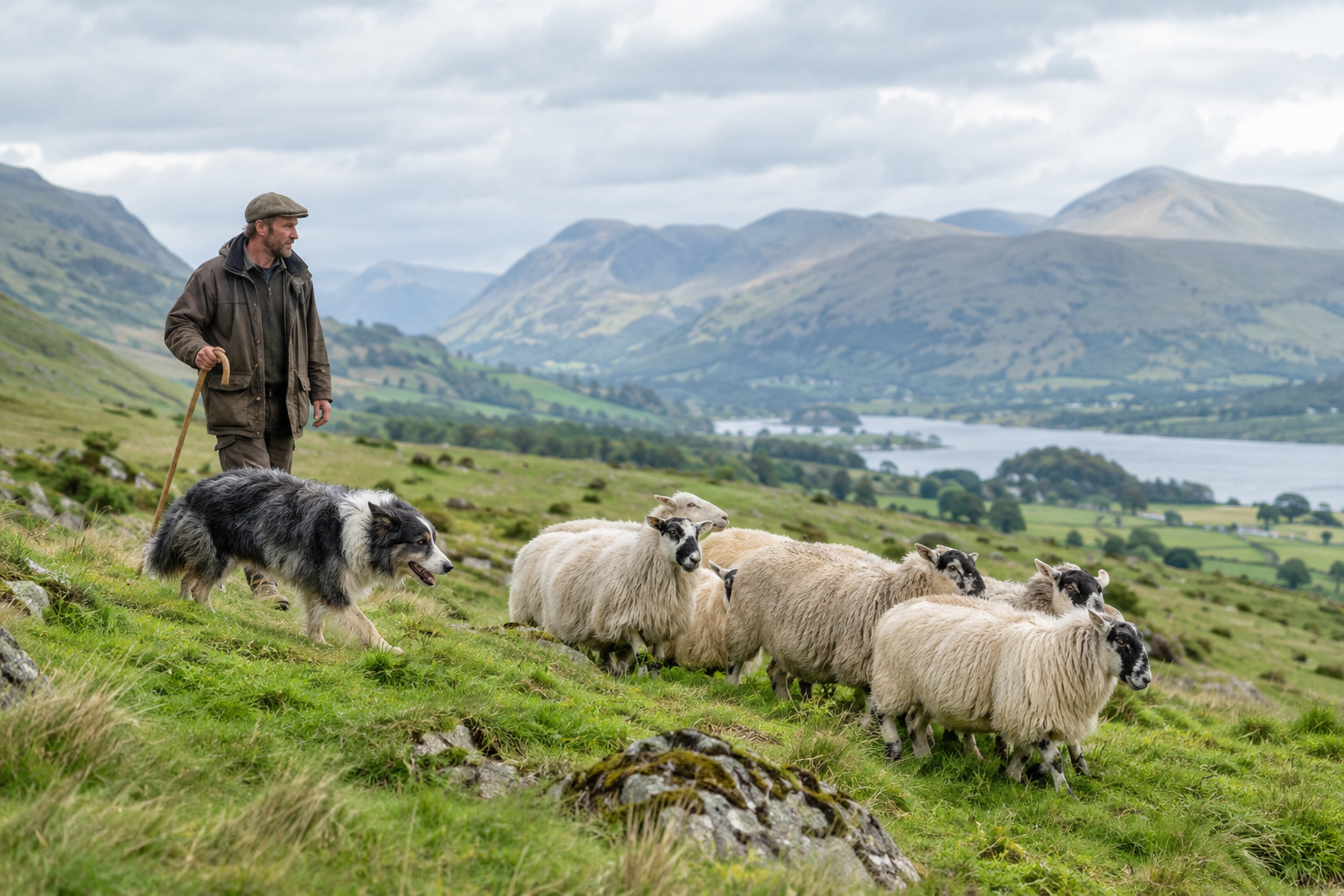
Modern life has changed the jobs dogs were originally developed to do. As farms, hunting practices and transport systems change, working breeds may be seen less often. Popularity can also concentrate attention on a small number of fashionable breeds while quieter, less familiar breeds disappear from public view.
Low numbers create a second challenge: genetic diversity. When too few unrelated dogs are available for breeding, the risk of inherited disease and fertility problems can increase. The answer is not simply to produce more puppies; it is to maintain healthy, well-managed populations.
Which breeds are at risk?
Risk varies by country and by registry. The Royal Kennel Club’s vulnerable native breed work has highlighted breeds such as the Otterhound, Sealyham Terrier, Skye Terrier and Sussex Spaniel, while other registries monitor different populations. A breed can be uncommon in one country but stable elsewhere, so local registration data should be interpreted carefully.
Searchers often ask which dog breeds are at risk of extinction. The most useful answer is local and evidence-based: check current registration figures, the breed’s effective population size, health trends and the advice of a recognised kennel club. “Rare” is a description of numbers, not a guarantee of quality or health.
What does “at risk of extinction” mean for a dog breed?
For a breed, extinction risk usually means that the number of healthy breeding dogs is becoming too small to sustain the population. Annual puppy registrations are one useful warning signal, but they are not the whole picture. Experts also consider the number of unrelated breeding lines, age distribution, fertility, inherited disease and whether dogs are being bred in several countries.
A breed can therefore look visible online while still having a fragile population. Social-media popularity may create short-term demand without creating a large, diverse and responsibly managed gene pool.
How can responsible owners help?
- Learn about vulnerable breeds from recognised breed clubs, veterinary professionals and welfare organisations.
- Choose breeders who health-test, keep transparent records and prioritise temperament and genetic diversity.
- Consider adoption or breed rescue where it is a safe and suitable option.
- Support preservation without encouraging indiscriminate breeding or exaggerated physical features.
- Share accurate information so that historic breeds are known for their real needs, not online trends.
Questions to ask before choosing a rare breed
Before bringing home an uncommon dog, ask how much daily exercise it needs, whether it has strong working instincts, how difficult its coat is to maintain, which inherited conditions are screened for, and whether local veterinarians understand the breed. Speak with more than one breeder or rescue organisation and ask to see health records rather than relying on marketing claims.
Preservation must put welfare first
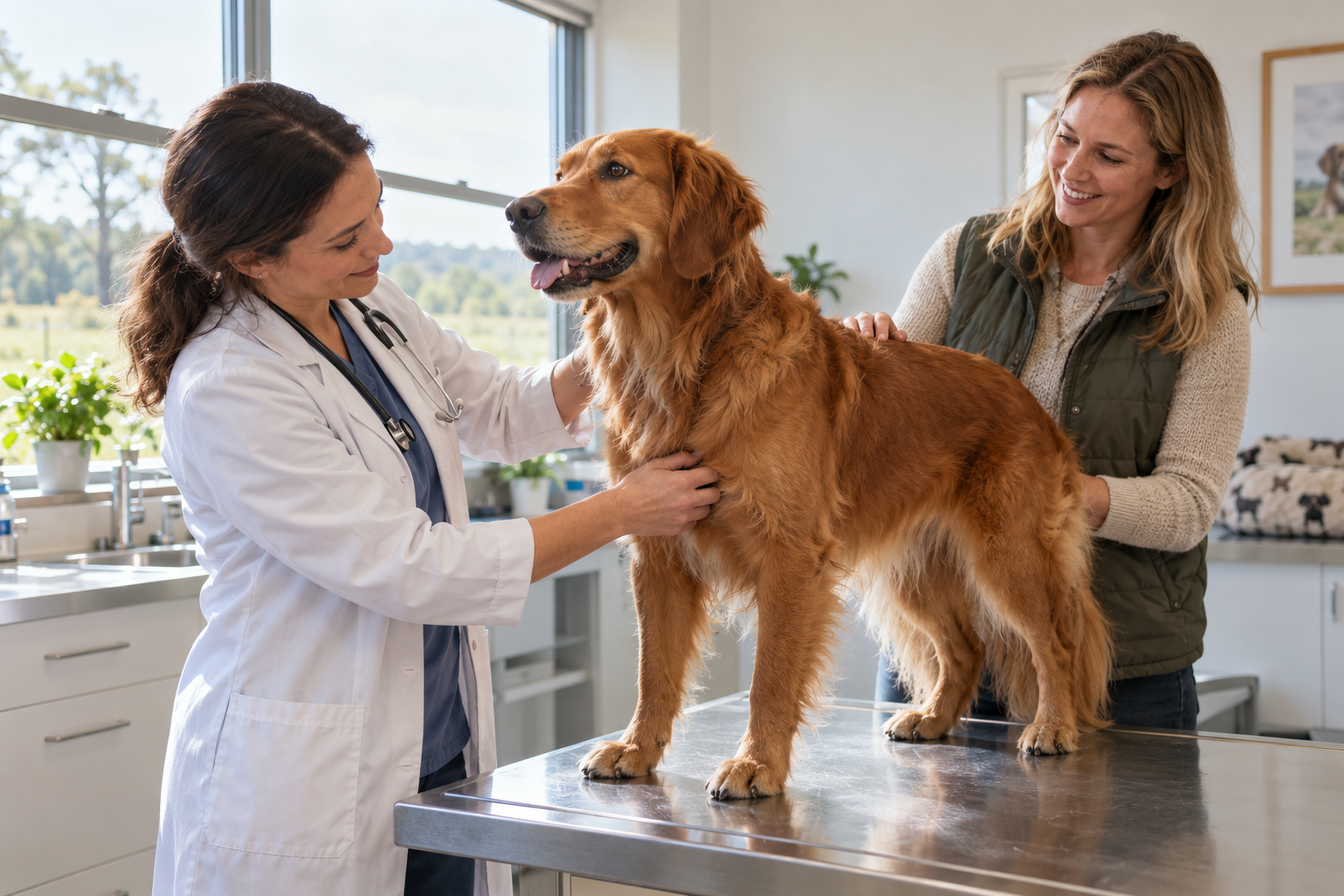
Breed preservation is strongest when it protects the dogs themselves. That means reducing inherited disease, avoiding extreme conformation, providing lifelong veterinary care and matching each dog with an owner who understands its behaviour and daily needs. Conservation programmes may also use carefully planned outcrossing or wider international collaboration when genetic diversity is dangerously limited.
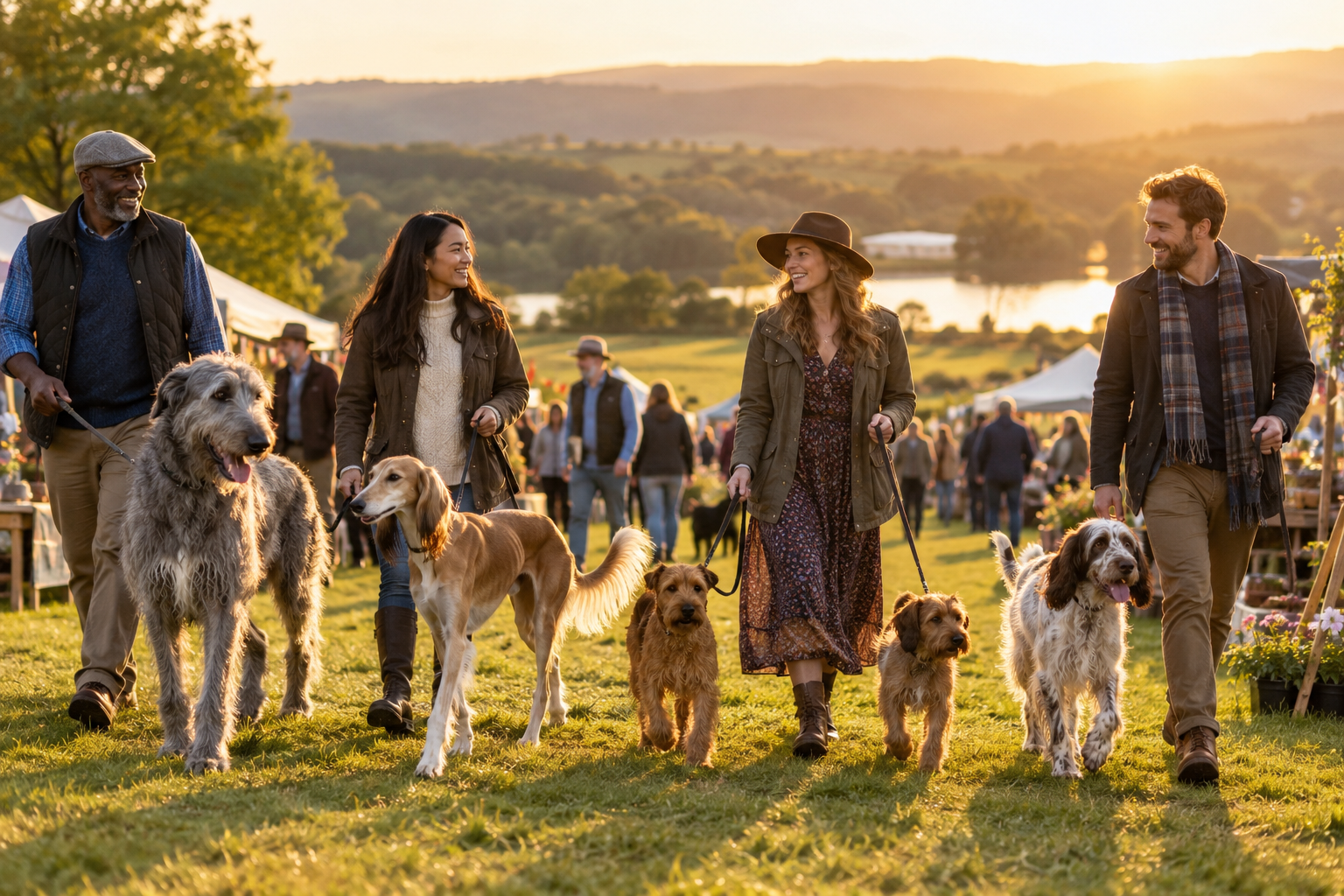
The future of a historic dog breed is shaped by many small choices: which dogs are responsibly bred, which dogs families learn about, and whether owners value health over fashion. Awareness cannot solve every problem, but it can give vulnerable breeds the attention and careful stewardship they need to survive.
Frequently asked questions
Can a rare dog breed really become extinct?
Yes. If breeding stops and no viable population remains, a breed can disappear. Before that point, very small populations may also face serious genetic and welfare problems.
How can I support an endangered or vulnerable dog breed?
Learn from recognised breed organisations, consider rescue where appropriate, and choose only welfare-first breeders who use health testing and transparent genetic records.
Is adopting a rare breed always a good idea?
No. Every dog needs a suitable home. Research exercise, grooming, temperament, working instincts, inherited health risks and the availability of qualified veterinary care before making a decision.
Sources and further reading
The Royal Kennel Club: Vulnerable native breeds
American Kennel Club: The importance of dog breed preservation
The Royal Kennel Club: Analysis of pedigree dog breed populations
For every dog: this article is educational and does not replace advice from a qualified veterinarian. Seek professional guidance for breeding, inherited health concerns or any change in your dog’s condition.