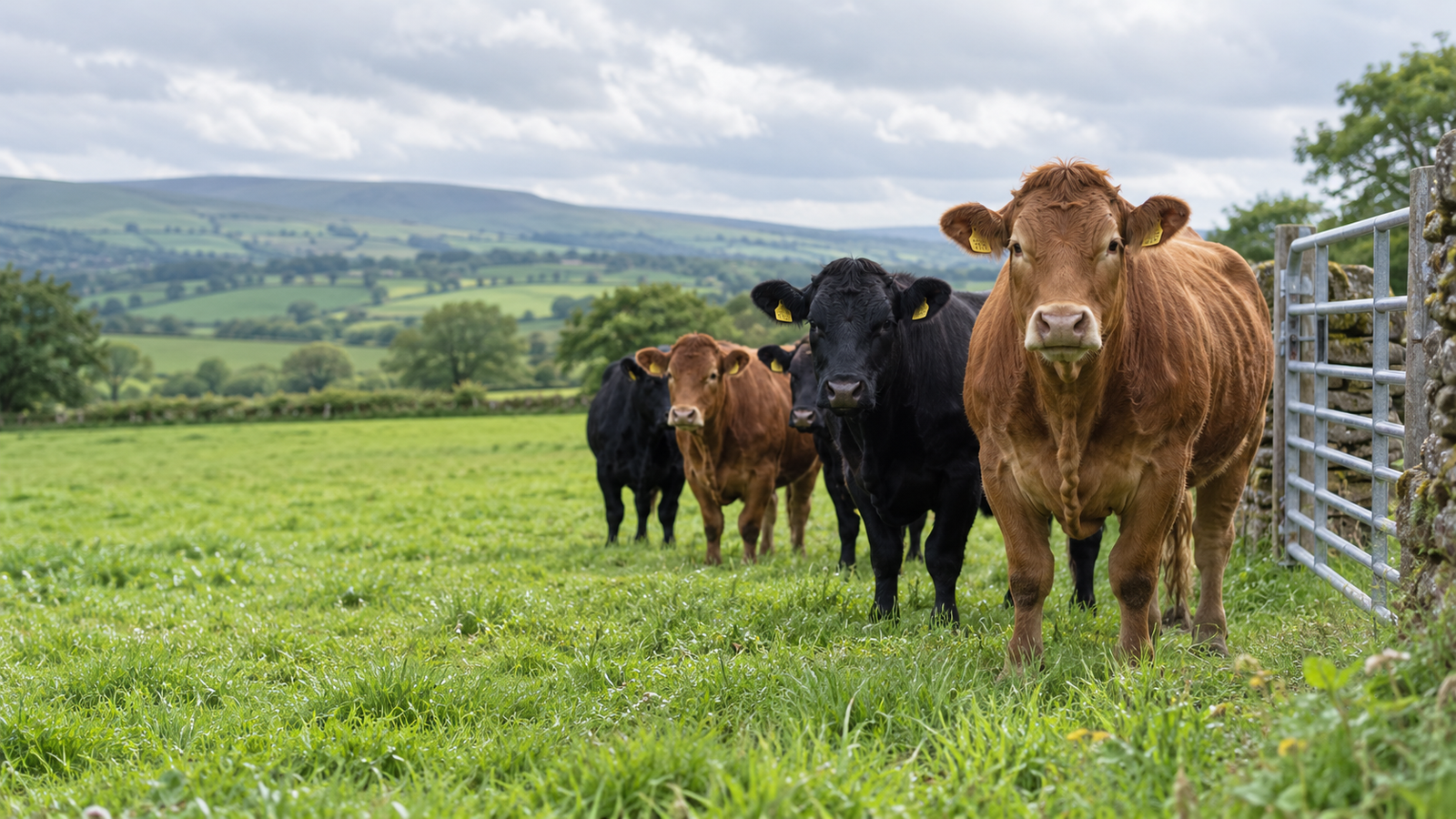
Bluetongue in cattle is caused by a virus spread mainly by infected biting midges. Cattle may show mild signs or no obvious illness, so prevention depends on surveillance, suitable vaccination advice, responsible animal movement and reducing midge exposure.
Important: Suspected bluetongue should be reported to a qualified veterinarian or the relevant animal-health authority. Do not diagnose or treat a herd from an online checklist.
What is bluetongue?
Bluetongue affects cattle, buffaloes, sheep, goats and other ruminants. The main vectors are Culicoides biting midges. A midge becomes infected after feeding on an infected animal and can pass the virus to another animal during a later bite. Warm, wet conditions may increase insect activity.
Common bluetongue symptoms in cattle
- Fever, dullness or reduced appetite
- Swelling around the muzzle, face or tongue
- Drooling, nasal discharge or watery eyes
- Redness, sores or crusting around the mouth
- Lameness or reluctance to walk
- Reduced milk production, weight loss or reproductive problems
A blue-looking tongue is not always present. These signs can also occur with other diseases, so laboratory testing and veterinary assessment are important.
How can farmers prevent bluetongue?
Ask about local disease risk
Pakistan’s climate, rainfall, animal movement and insect populations vary by region. Ask your local livestock department or veterinarian about current alerts, testing and approved control measures.
Plan vaccination with a veterinarian
Vaccine protection must match the virus strain or strains circulating in the area. Confirm that a product is authorised for cattle in Pakistan, check the schedule and follow storage instructions. Do not use a product simply because it is labelled for livestock or another species.
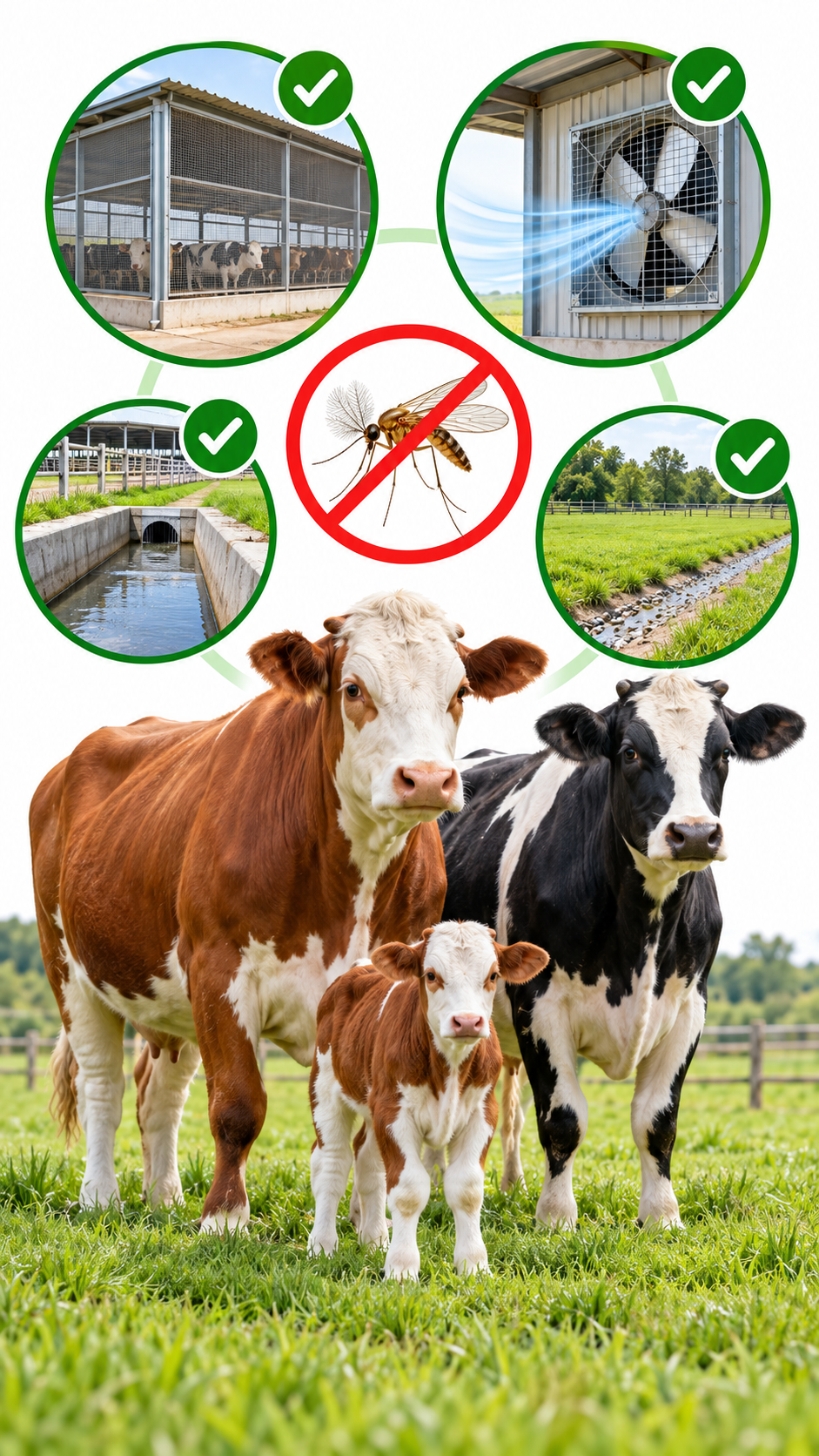
Reduce midge exposure
- House cattle during peak midge activity when practical.
- Improve ventilation while limiting insect entry.
- Repair screens, doors and openings in sheds.
- Improve drainage and remove unnecessary standing water.
- Use only approved insect-control products and follow veterinary advice.
Quarantine new animals
Keep purchased cattle separate for the period recommended by your veterinarian. Record their source, movement history, vaccination records, appetite, temperature and any unusual signs before mixing them with the main herd.
What to do if bluetongue is suspected
- Contact a veterinarian or animal-health authority promptly.
- Record ear tags, symptoms, dates, movements and recent purchases.
- Limit unnecessary movement of sick or exposed cattle.
- Follow instructions for testing, reporting and vaccination.
- Do not give antibiotics unless a veterinarian identifies a bacterial reason.
When is veterinary help urgent?
Seek urgent help for severe weakness, breathing difficulty, extensive mouth lesions, high fever, sudden lameness, multiple affected animals, sudden production loss or unexplained deaths.
Frequently asked questions
Can healthy-looking cattle carry bluetongue?
Yes. Cattle may have mild or unapparent infection and can still be relevant to virus transmission through biting midges.
Does bluetongue spread directly from cow to cow?
The principal route is through infected midges. Movement restrictions may still apply, so follow official veterinary guidance.
Is bluetongue dangerous to people?
WOAH states that bluetongue is not a public-health risk and is not transmitted to people through normal contact with cattle or milk.
Can farmers treat bluetongue at home?
There is no substitute for veterinary assessment. Supportive care may be advised, but suspected cases should be investigated and reported.
Sources
WOAH: Bluetongue
GOV.UK: Bluetongue prevention
PubMed: Bluetongue seroprevalence in Punjab, Pakistan
Educational notice: This article does not replace diagnosis or treatment from a qualified veterinarian.